The Real Africa, On Foot
Zambia
Zambia is the spiritual home of the walking safari — a country of wild, uncrowded bush where guiding standards are legendarily high and the pace of travel slows to match the rhythm of the Luangwa Valley. For travellers who want Africa without the crowds, Zambia delivers.
The Appeal
Why Visit Zambia
01
The birthplace and spiritual home of the walking safari
02
Some of the most rigorously trained guides in Africa
03
Low visitor density even in peak season
04
Victoria Falls — one of the Seven Natural Wonders of the World
05
Genuine, unpolished wilderness experiences
What You'll See
Signature Wildlife & Landscapes
African leopard (South Luangwa is renowned for sightings)
Thornicroft's giraffe (found only in the Luangwa Valley)
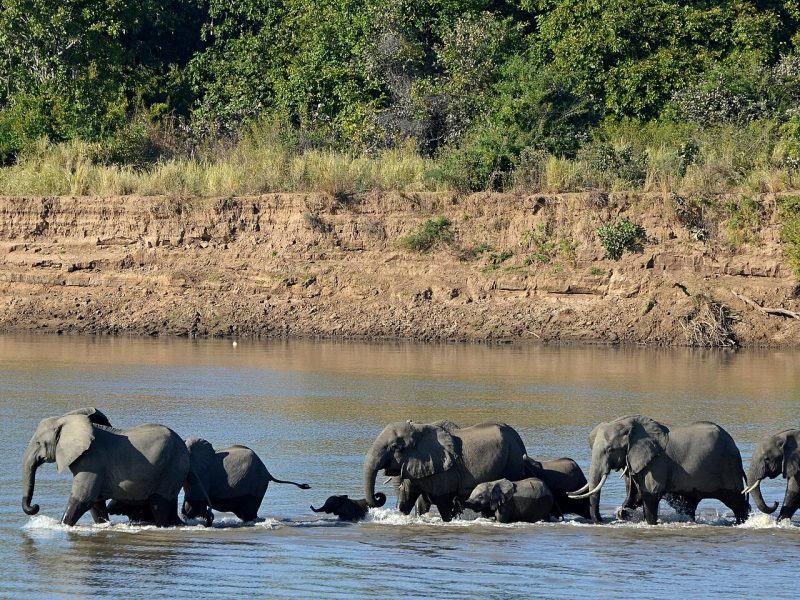
Hippopotamus (exceptionally high densities along the Luangwa River)
African wild dog
Carmine bee-eaters (seasonal nesting colonies)
Where to Go
National Parks & Major Attractions
South Luangwa National Park
The birthplace of the walking safari, with a wild, meandering river and outstanding leopard and hippo populations.
Lower Zambezi National Park
A riverine wilderness offering canoe safaris beneath dramatic escarpment scenery.
Victoria Falls
Shared with Zimbabwe, one of the largest waterfalls in the world by width and height combined.
Kafue National Park
One of Africa's largest parks, remote and still relatively unexplored by tourism.
Where to Stay
Featured Camps in Zambia
What to Do
Experiences in Zambia
When to Go
Best Time to Visit
May to October (the dry season) is the classic walking safari season, when wildlife concentrates along the rivers. Many camps close entirely during the rainy season (November–April).
January–March
Rainy season, most bush camps closed, dramatic scenery
April–May
Bush reopens, lush green transitioning to dry
June–August
Peak walking safari season, cool mornings
September–October
Hot, dry, wildlife concentrated at remaining water
November
Rains begin, camps start closing for the season
Get Active
Activities Available
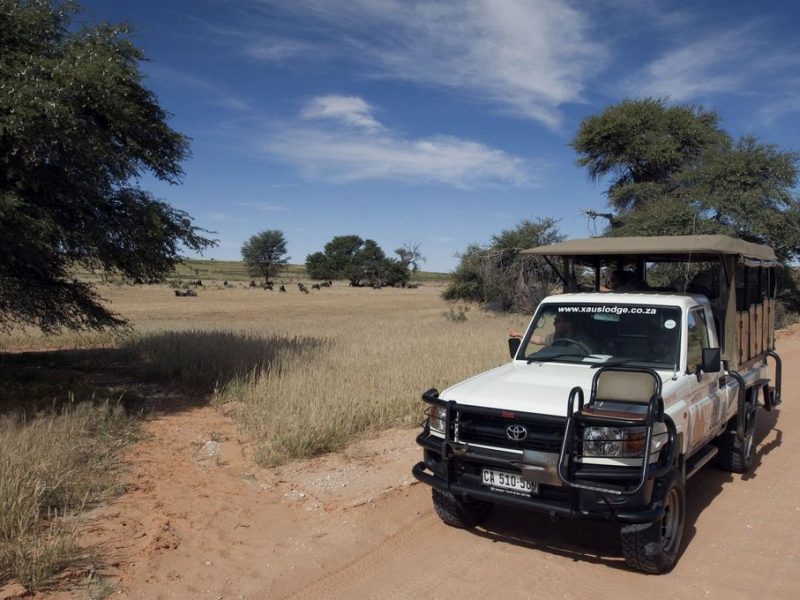
Walking safaris Canoe safaris (Lower Zambezi) Game drives Night drives Victoria Falls activities (white-water rafting, bungee, microlight flights) Fishing
People & Traditions
Culture & Local Traditions
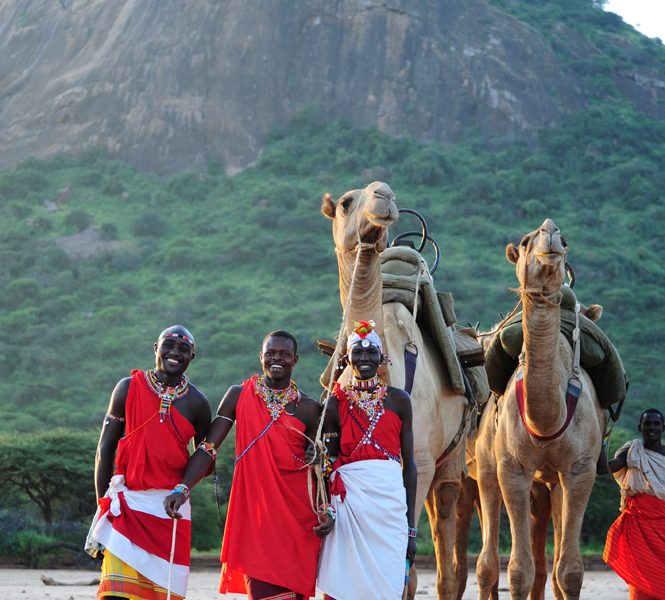
Zambia is home to more than 70 ethnic groups, with the Kunda people of the Luangwa Valley among the most closely tied to the safari industry as guides, trackers, and camp staff. Zambian hospitality has a well-earned reputation for warmth, and many walking safari guides share generations of accumulated bush knowledge passed down within their communities.
Responsible Travel
Conservation & Sustainability
Zambia's walking safari tradition, pioneered in the 1950s, was built on a philosophy of minimal-impact travel that still defines the country's tourism model today. Community-based natural resource management programmes around South Luangwa channel tourism income into schools, clinics, and anti-poaching scouts drawn from local villages.
Our ImpactTravel Tips
- A visa is required for most nationalities, available online or on arrival
- Many camps close during the November–April rainy season — check before booking
- Walking safaris require a moderate fitness level and closed walking shoes
- Yellow fever vaccination is required for entry from at-risk countries
- Tipping guides and walking scouts is customary
Map
Good to Know
Frequently Asked Questions
Yes — walks are led by licensed, armed guides trained specifically in walking-safari protocol, and groups are kept small.
Absolutely — guides tailor the pace and distance to the group, and it's often paired with vehicle-based game drives.
Most close for some or all of the November–April rainy season, when roads become impassable.
Yes — the Zambian side of the Falls offers a quieter, more intimate perspective than the Zimbabwean side.
Keep Exploring
Related Destinations
Ready When You Are
Plan Your Journey to Zambia
Tell us your travel dates and interests and a travel designer will build a bespoke itinerary within 24 hours.