Ancient Deserts, Endless Horizons
Namibia
Namibia is a country of extraordinary emptiness — vast red dunes, moon-like gravel plains, and wildlife so perfectly adapted to aridity that seeing it feels like witnessing a small miracle. Its low population density and pristine dark skies make it one of the most photogenic and contemplative safari destinations on Earth.
The Appeal
Why Visit Namibia
01
Sossusvlei's towering red dunes, among the highest in the world
02
Desert-adapted elephant, lion, and rhino found nowhere else
03
Some of the darkest night skies on the planet
04
Etosha's floodlit waterholes for exceptional game viewing
05
A sense of scale and solitude rare anywhere else in Africa
What You'll See
Signature Wildlife & Landscapes
Desert-adapted elephant
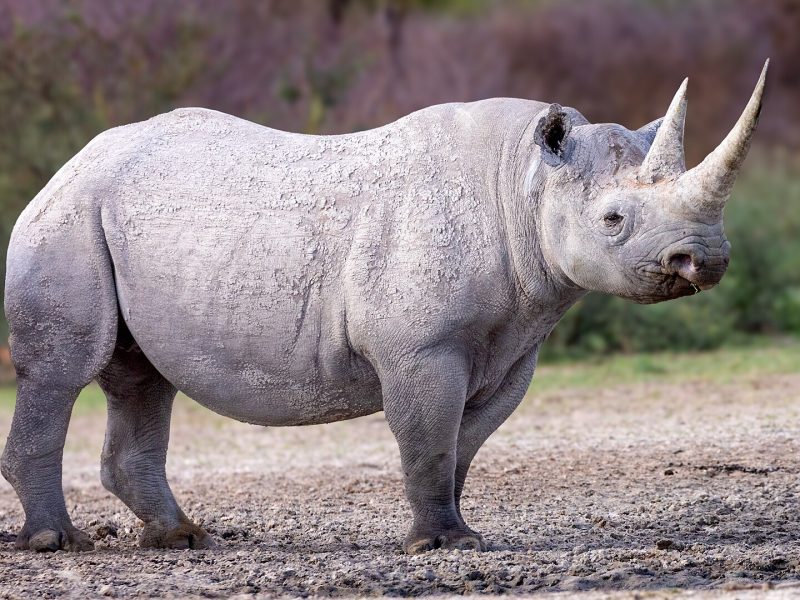
Black rhino (Etosha and Damaraland)
Gemsbok (oryx)
Cheetah (Namibia holds the largest wild population in the world)
Springbok
Desert-adapted lion
Where to Go
National Parks & Major Attractions
Sossusvlei / Namib-Naukluft Park
Home to some of the world's tallest sand dunes and the haunting white clay pan of Deadvlei.
Etosha National Park
A vast salt pan ringed with waterholes that draw exceptional concentrations of wildlife, especially in the dry season.
Damaraland
A rugged, sparsely populated region known for desert-adapted elephant and ancient rock art.
Skeleton Coast
A remote, fog-bound Atlantic coastline littered with shipwrecks and Cape fur seal colonies.
Where to Stay
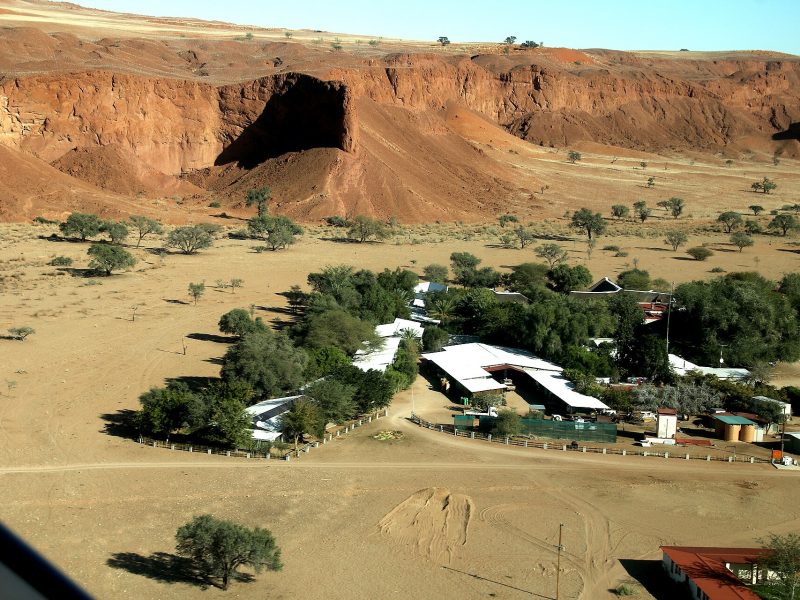
Featured Camps in Namibia
What to Do
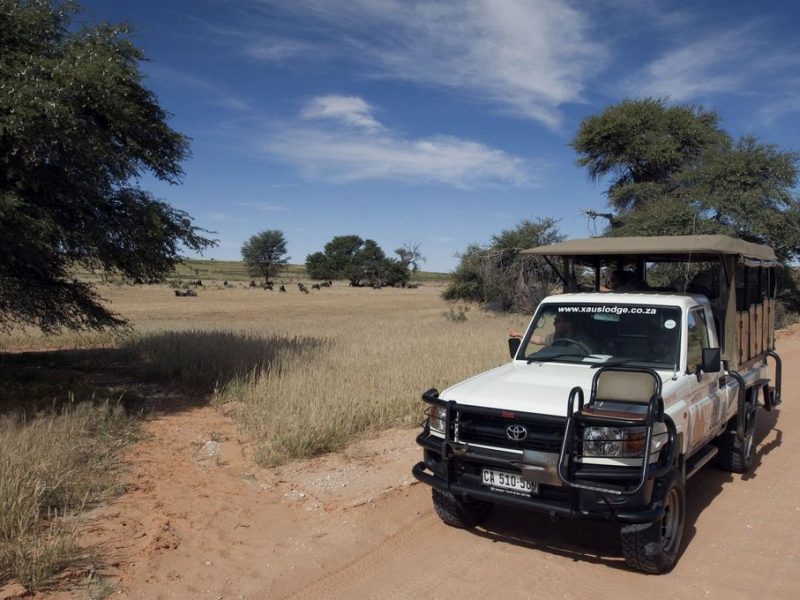
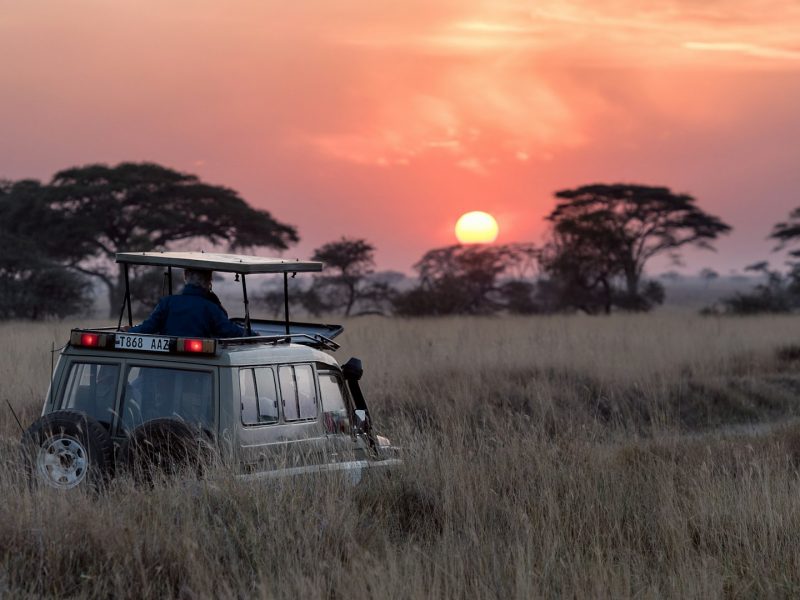
Experiences in Namibia
When to Go
Best Time to Visit
May to October (the dry season) offers the best wildlife viewing, particularly around Etosha's waterholes. Cooler nights make dune walking in Sossusvlei more comfortable outside the summer months.
January–March
Hot, occasional rain, dramatic desert skies
April–May
Cooling temperatures, clearer skies
June–August
Cold, dry, exceptional stargazing and waterhole activity
September–October
Warming, peak wildlife concentration at Etosha
November–December
Heat builds ahead of the rains
Get Active
Activities Available
Dune climbing and desert walks Stargazing (Namibia has some of the world's best dark-sky reserves) Game drives (Etosha and private reserves) Quad biking and scenic flights Cultural visits with Himba and San communities Self-drive touring
People & Traditions
Culture & Local Traditions
Namibia's cultural landscape includes the Himba people of the remote north, known for their striking ochre-tinted skin and cattle-herding traditions, alongside San communities whose rock art in Damaraland dates back thousands of years. Namibia's German colonial history is also visible in coastal towns like Swakopmund, giving the country an unusually layered identity.
Responsible Travel
Conservation & Sustainability
Namibia was the first African country to write environmental protection into its constitution, and its community conservancy programme — covering nearly a fifth of the country — has become an internationally recognised model for giving rural communities direct ownership of wildlife tourism revenue. This approach has helped desert-adapted elephant and black rhino populations recover significantly.
Our ImpactTravel Tips
- Self-driving is popular and well-supported, but distances are vast — plan driving days carefully
- Nights can be cold even in the desert; pack layers year-round
- A visa is not required for many nationalities for short stays
- Fuel and supplies should be stocked up in towns before remote stretches
- Namibian dollar and South African rand are both accepted
Map
Good to Know
Frequently Asked Questions
Yes — Namibia has excellent roads and signage, making it one of Africa's most self-drive-friendly countries.
Big Daddy and Dune 45 require reasonable fitness and roughly 45–60 minutes to summit; smaller dunes are accessible to most visitors.
The south and central regions, including Sossusvlei, are malaria-free; the northern Etosha and Caprivi regions carry some risk in the wet season.
Guided drives in Damaraland with trackers experienced in following their unpredictable, wide-ranging movements.
Keep Exploring
Related Destinations
Ready When You Are
Plan Your Journey to Namibia
Tell us your travel dates and interests and a travel designer will build a bespoke itinerary within 24 hours.