
The Original Safari Country
Kenya
Kenya is the birthplace of the modern safari — a country of golden savannah, volcanic highlands, and the annual spectacle of the Great Migration. From the Maasai Mara's open plains to the Rift Valley's soda lakes, Kenya offers a safari experience as rich in culture as it is in wildlife.
The Appeal
Why Visit Kenya
01
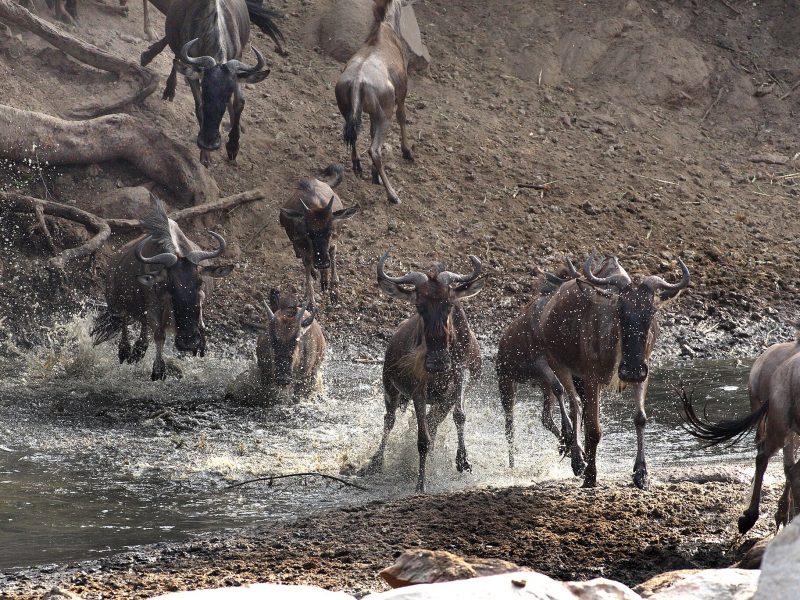
Front-row seats to the Great Migration's dramatic river crossings
02
Some of Africa's most experienced Maasai guides and trackers
03
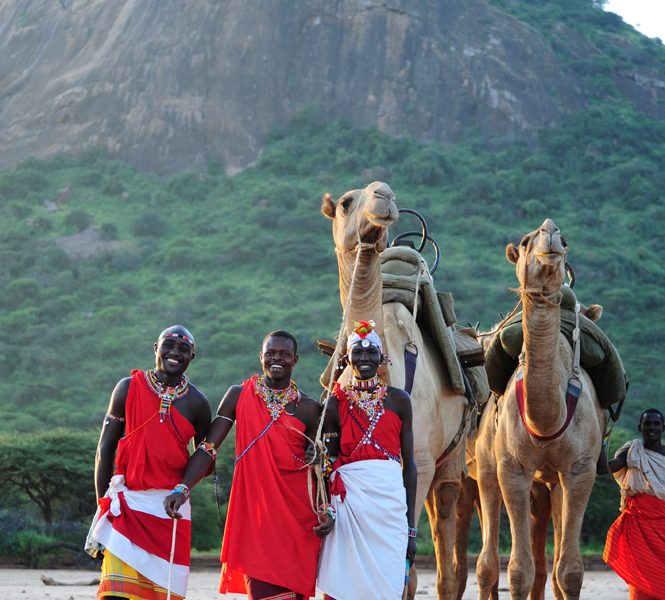
Authentic cultural encounters with Maasai communities
04
Diverse landscapes from savannah to Rift Valley lakes
05
Strong year-round game viewing, not just during migration season
What You'll See
Signature Wildlife & Landscapes
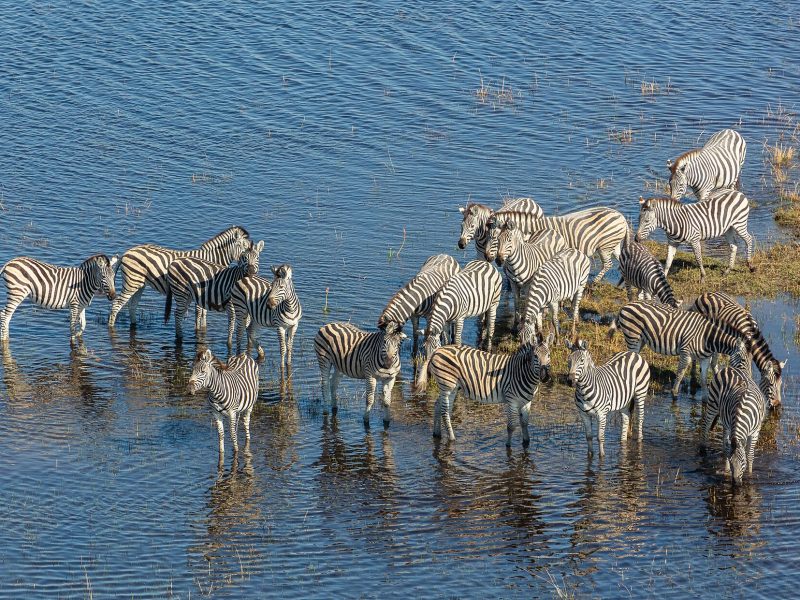
Wildebeest and zebra (migration herds)
African lion
Cheetah
Maasai giraffe
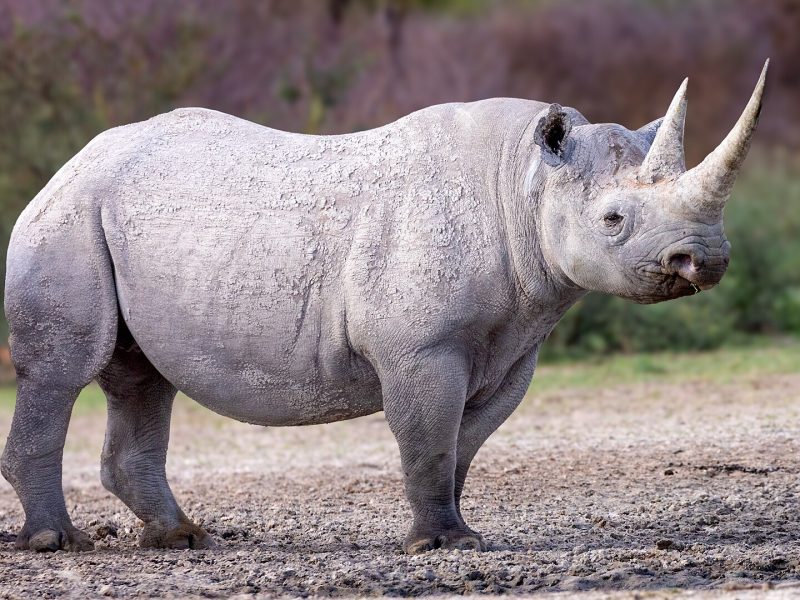
Black and white rhino
Flamingos on the Rift Valley soda lakes
Where to Go
National Parks & Major Attractions
Maasai Mara National Reserve
Kenya's most famous reserve, and the stage for the Mara River crossings each year.
Amboseli National Park
Open plains beneath the snow-capped backdrop of Mount Kilimanjaro, with some of Africa's most photographed elephant herds.
Lake Nakuru National Park
A Rift Valley soda lake known for flamingos and healthy rhino populations.
Samburu National Reserve
A rugged, less-visited northern reserve home to species found nowhere else in Kenya.
Where to Stay
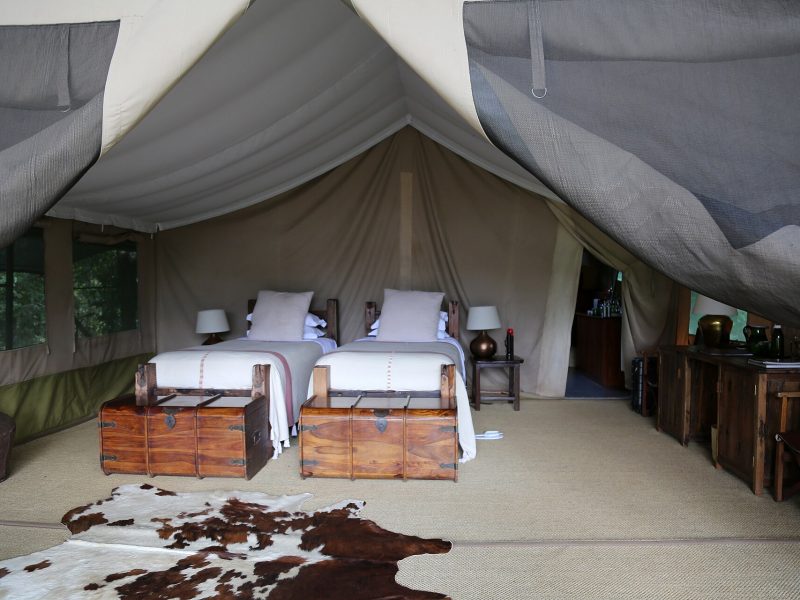
Featured Camps in Kenya
What to Do
Experiences in Kenya
Tailor-Made Itineraries
Suggested Journeys Through Kenya
When to Go
Best Time to Visit
July to October is peak season for the Great Migration's river crossings in the Mara. The dry months of January and February also offer excellent game viewing with fewer crowds.
January–February
Dry, excellent general game viewing, calving season in some areas
March–May
Long rains, lush scenery, lower rates, fewer visitors
June–July
Migration herds begin arriving in the Mara
August–September
Peak migration season, dramatic river crossings
October
Migration begins moving back toward the Serengeti
November–December
Short rains, green landscapes, good value season
Get Active
Activities Available
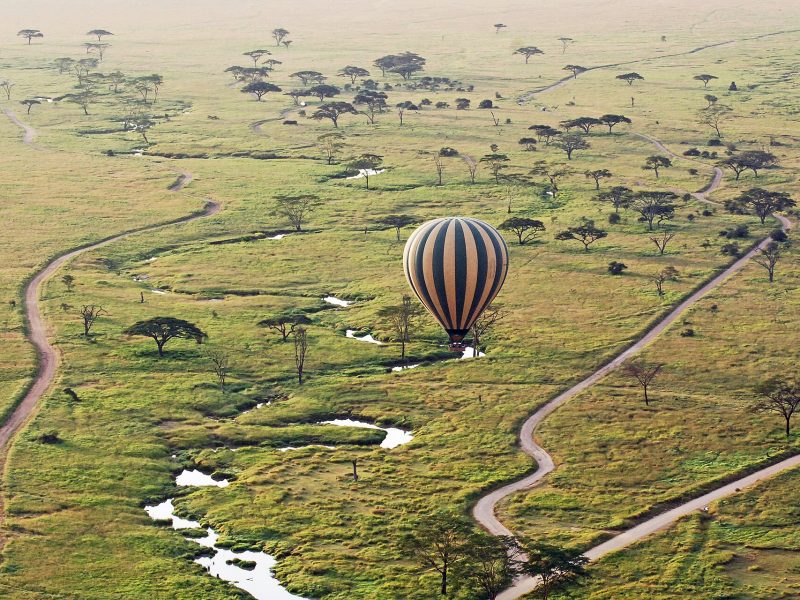
Game drives Hot air balloon safaris Walking safaris with Maasai guides Cultural village visits Birdwatching Photographic safaris
People & Traditions
Culture & Local Traditions
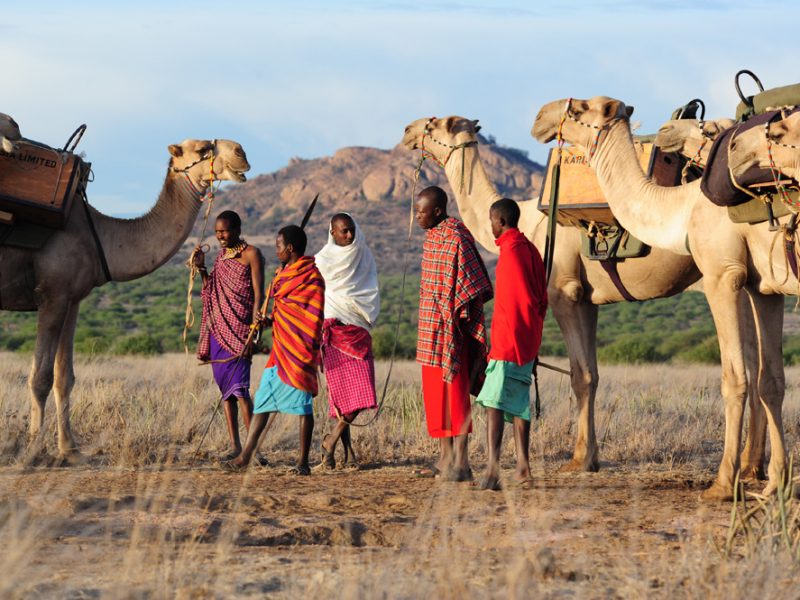
The Maasai people are perhaps Africa's most recognisable pastoralist culture, their red shuka cloth and beadwork iconic across the region. Many conservancies bordering the Mara are Maasai-owned and -run, meaning tourism directly supports the community whose cattle-herding traditions have coexisted with wildlife for centuries. Guided visits offer genuine, respectful cultural exchange — not a staged performance.
Responsible Travel
Conservation & Sustainability
Community conservancies surrounding the Maasai Mara have become a model for conservation elsewhere in Africa, leasing land from Maasai landowners for wildlife tourism rather than converting it to agriculture. This has expanded habitat for lion, elephant, and the migration itself, while providing steady income to thousands of local families.
Our ImpactTravel Tips
- A visa (available online in advance via the eTA system) is required for most visitors
- Yellow fever vaccination may be required depending on your routing
- Dress in neutral tones for game drives
- Tipping guides and camp staff is customary and appreciated
- Nairobi is the main international gateway, with light-aircraft transfers to most safari areas
Map
Good to Know
Frequently Asked Questions
Most commonly between August and September, though timing shifts year to year with rainfall patterns.
Kenya's safari areas are well established and secure, with decades of experience hosting international travellers.
Yes — many journeys combine the Maasai Mara with the Serengeti, following the migration across the border.
A combination of vehicle-based game drives and, if timing allows, a hot air balloon safari at dawn.
Keep Exploring
Related Destinations
Ready When You Are
Plan Your Journey to Kenya
Tell us your travel dates and interests and a travel designer will build a bespoke itinerary within 24 hours.