Endless Plains, Ancient Wilderness
Tanzania
Tanzania holds more protected wilderness than almost any country on Earth — the endless plains of the Serengeti, the wildlife-dense caldera of the Ngorongoro Crater, and the highest peak on the continent all within its borders. It is a country built for travellers who want scale, drama, and genuine wilderness.
The Appeal
Why Visit Tanzania
01
The Serengeti's endless horizons and resident wildlife year-round
02
Ngorongoro Crater — the highest density of predators in Africa
03
Mount Kilimanjaro, Africa's highest peak
04
Zanzibar's beaches for a post-safari extension
05
Fewer visitors per square kilometre than many neighbouring reserves
What You'll See
Signature Wildlife & Landscapes
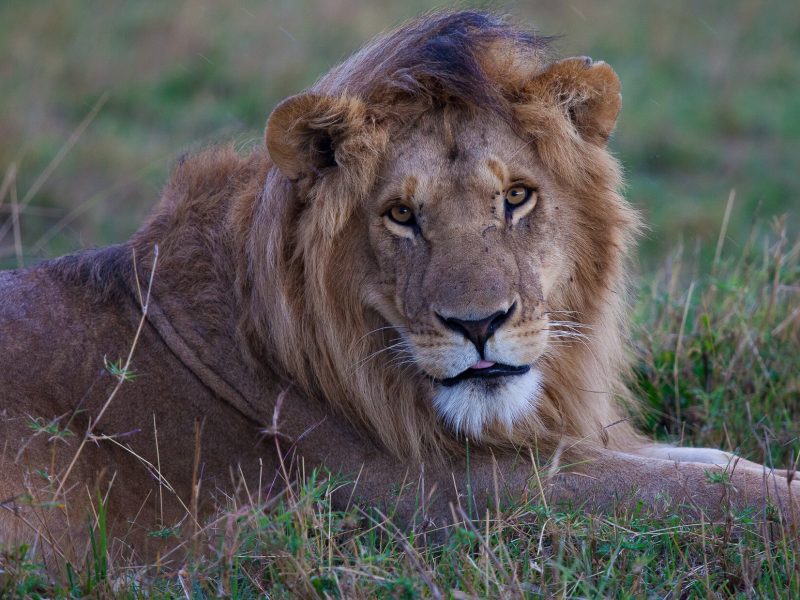
Lion (Serengeti holds one of Africa's largest populations)
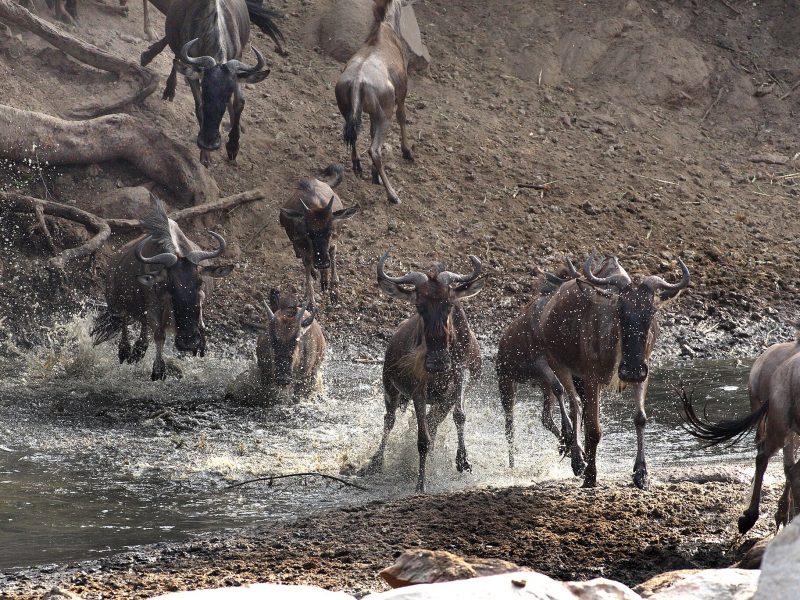
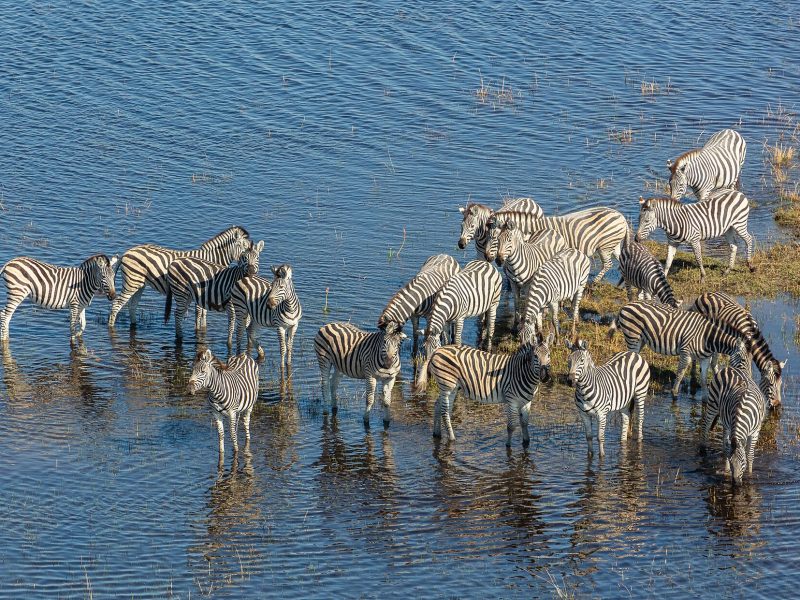
Wildebeest and zebra migration herds
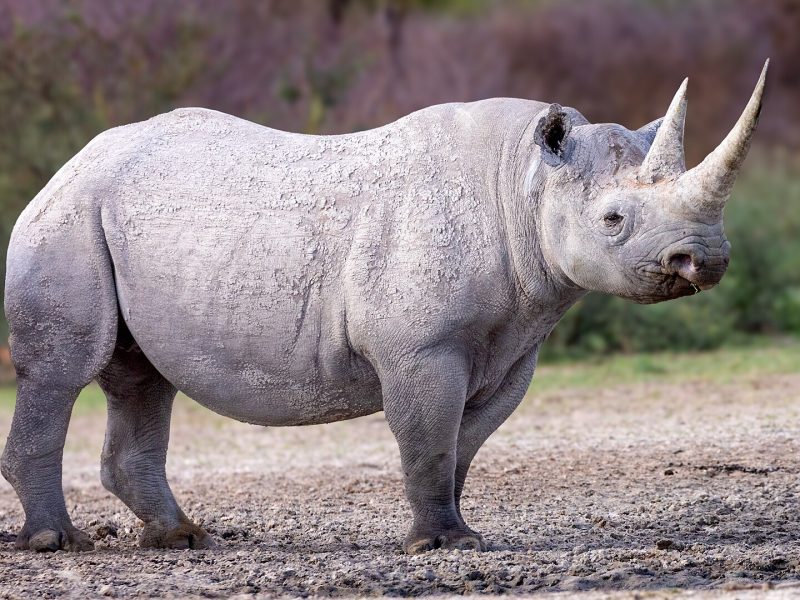
Black rhino (Ngorongoro Crater)
Leopard
Spotted hyena
Over 500 bird species
Where to Go
National Parks & Major Attractions
Serengeti National Park
Endless open plains, the year-round stage for much of the Great Migration, and some of Africa's best predator viewing.
Ngorongoro Conservation Area
A collapsed volcanic caldera holding an extraordinary concentration of wildlife within its walls.
Tarangire National Park
Famous for ancient baobabs and large elephant herds, especially in the dry season.
Lake Manyara National Park
A scenic Rift Valley lake known for tree-climbing lions and flamingos.
Where to Stay
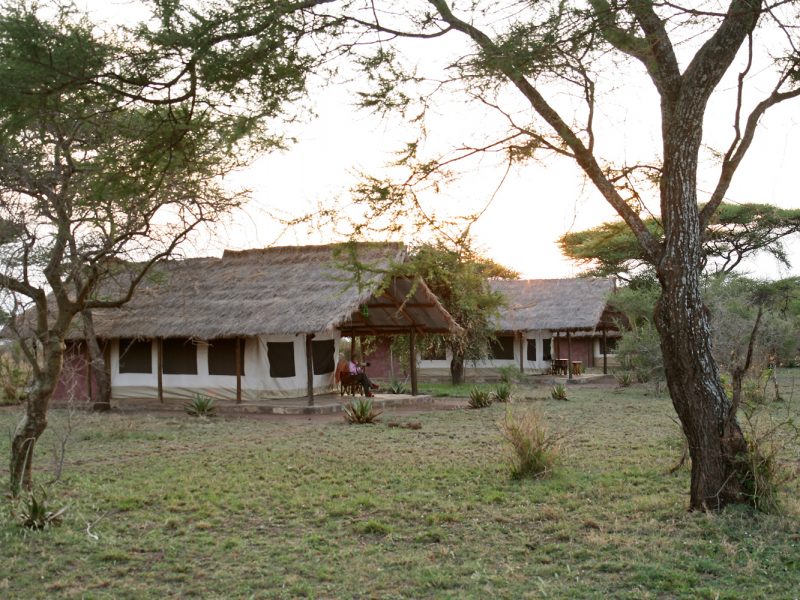
Featured Camps in Tanzania
What to Do
Experiences in Tanzania
Tailor-Made Itineraries
Suggested Journeys Through Tanzania
When to Go
Best Time to Visit
June to October (dry season) offers the best general game viewing. December to March is calving season on the southern Serengeti plains, drawing large predator concentrations.
January–March
Calving season on the southern plains — enormous herds and high predator activity
April–May
Long rains, lush and quiet, lower rates
June–July
Herds move north, river crossings begin
August–September
Peak migration season in the northern Serengeti
October–November
Short rains, herds begin the journey south
December
Herds return to the southern plains
Get Active
Activities Available
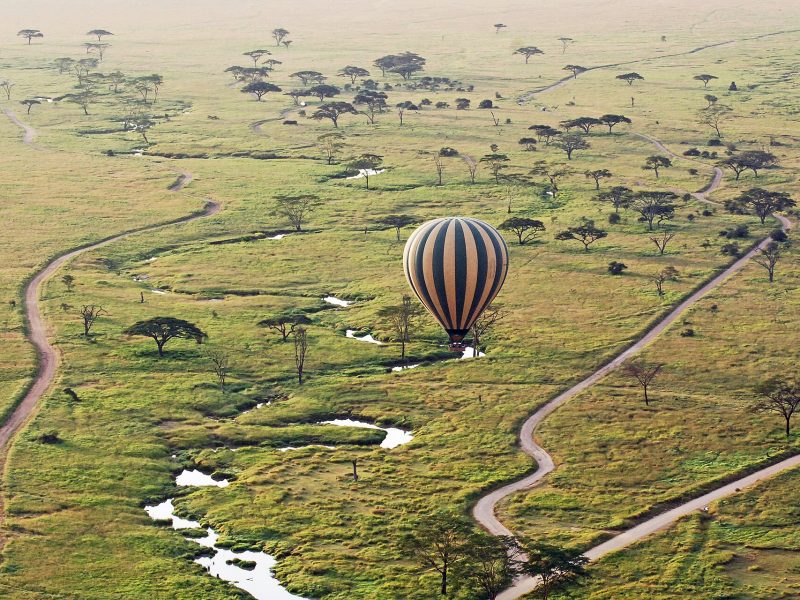
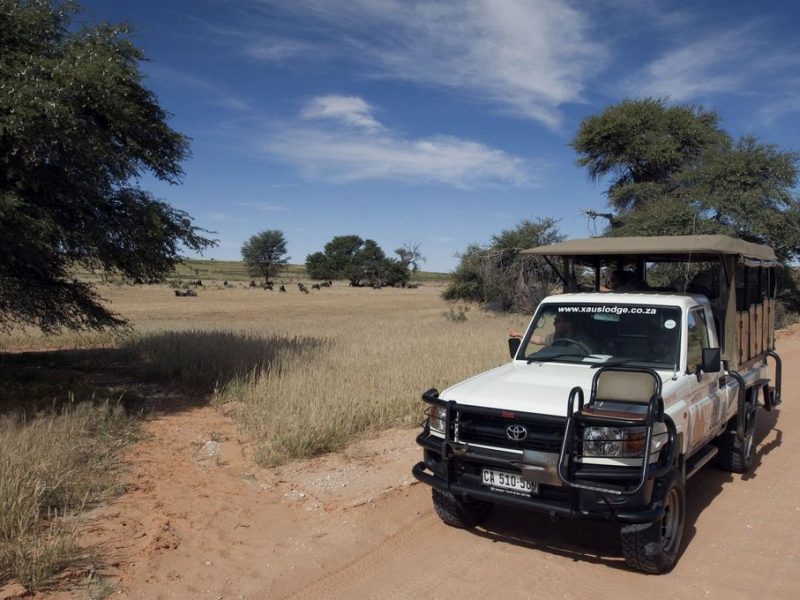
Game drives Hot air balloon safaris over the Serengeti Walking safaris Maasai cultural visits Olduvai Gorge archaeological tours Kilimanjaro trekking (extension)
People & Traditions
Culture & Local Traditions
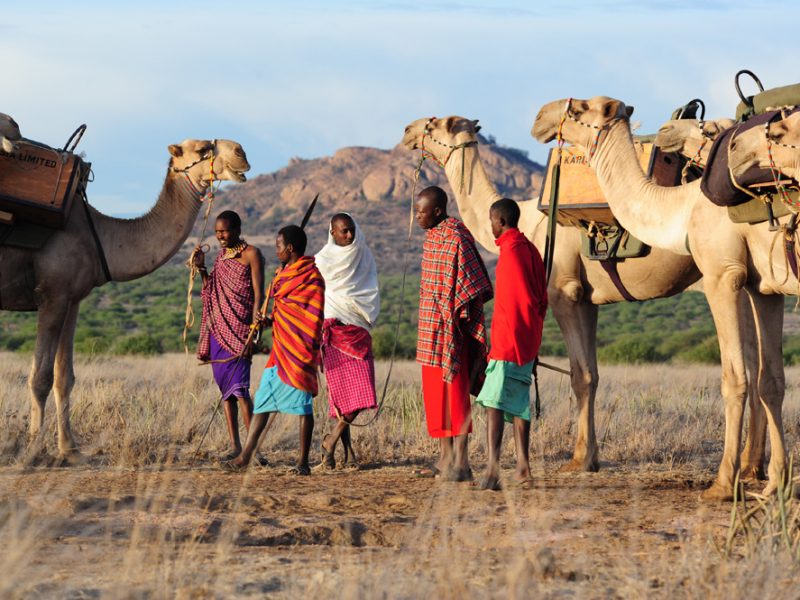
Tanzania is home to over 120 ethnic groups, from Maasai pastoralists in the north to Swahili coastal communities near Zanzibar. Swahili, a language born of centuries of trade along the East African coast, is spoken nationwide and serves as a unifying thread across an extraordinarily diverse country.
Responsible Travel
Conservation & Sustainability
The Serengeti ecosystem's protection — spanning Tanzania and Kenya — is one of the most significant conservation achievements in Africa, sustaining the migration that both countries depend on for tourism revenue. Ngorongoro's unique model allows Maasai grazing within a conservation area, balancing pastoralist livelihoods with wildlife protection.
Our ImpactTravel Tips
- A visa is required for most nationalities and can be arranged online in advance
- Yellow fever certification may be required depending on prior travel
- Roads within parks are unpaved — expect a rougher ride than tarred alternatives
- Consider combining a Tanzania safari with a few days in Zanzibar
- Tipping is customary for guides and camp staff
Map
Good to Know
Frequently Asked Questions
They're part of the same ecosystem — the Serengeti is larger and holds resident wildlife year-round, while the Mara is famous for the migration's crossing season.
Yes, though it requires careful itinerary planning given the physical demands of the climb — ask your travel designer.
Very much so — it's a short flight from most safari areas and offers a complete change of pace.
The Crater offers excellent game viewing year-round due to its resident wildlife population.
Keep Exploring
Related Destinations
Ready When You Are
Plan Your Journey to Tanzania
Tell us your travel dates and interests and a travel designer will build a bespoke itinerary within 24 hours.