Where the Desert Floods and the Wild Runs Free
Botswana
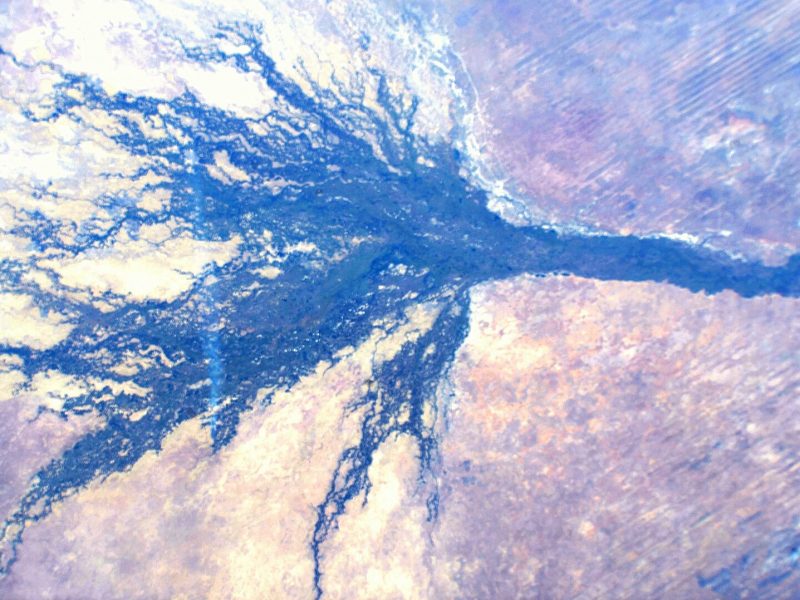
Botswana is a land shaped by water and its absence — vast salt pans give way to the flooded channels of the Okavango Delta, one of the last great wetland wildernesses on Earth. With a conservation model built on low-volume, high-value tourism, Botswana offers some of the most exclusive and undisturbed safari experiences on the continent.
The Appeal
Why Visit Botswana
01
The Okavango Delta — a UNESCO World Heritage wetland unlike anywhere else on the planet
02
Low visitor numbers by design, meaning private, uncrowded wildlife encounters
03
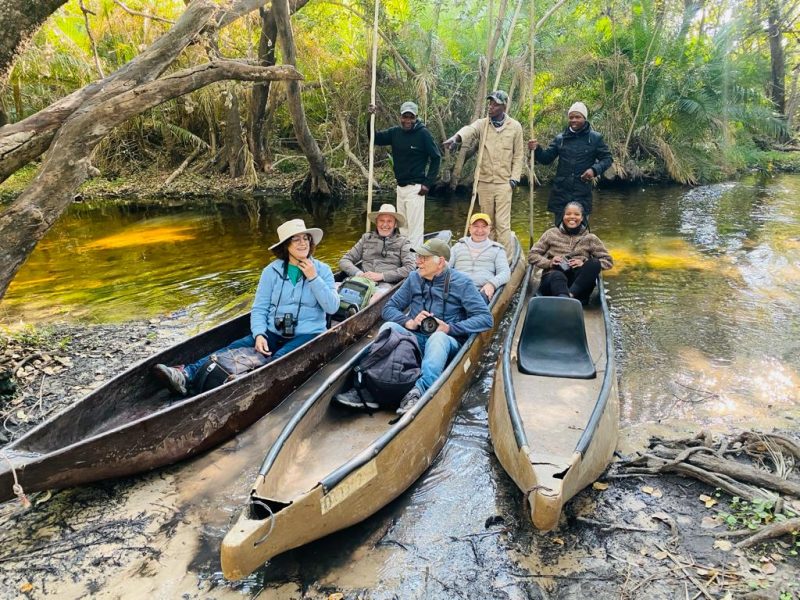
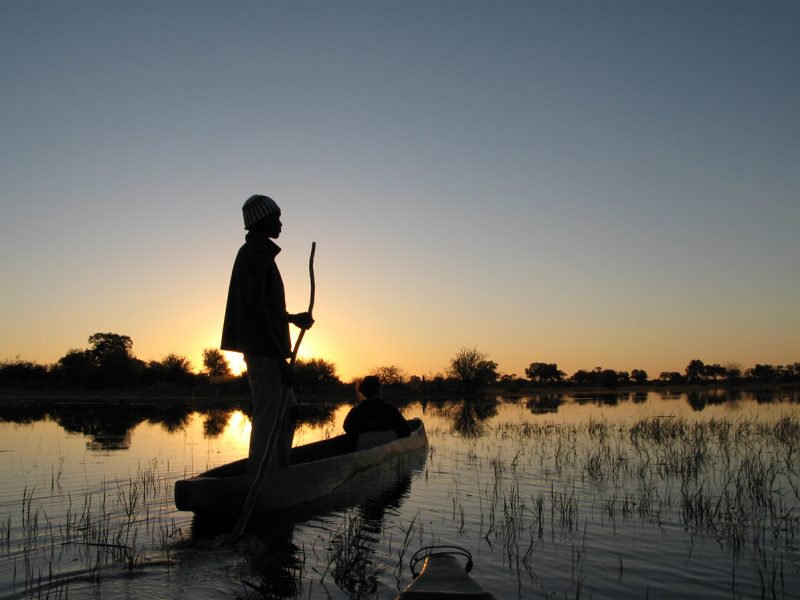
Mokoro canoe safaris through channels no vehicle can reach
04
One of Africa's largest elephant populations
05
Some of the finest guiding standards on the continent
What You'll See
Signature Wildlife & Landscapes
African elephant
Lechwe and sitatunga antelope
African wild dog
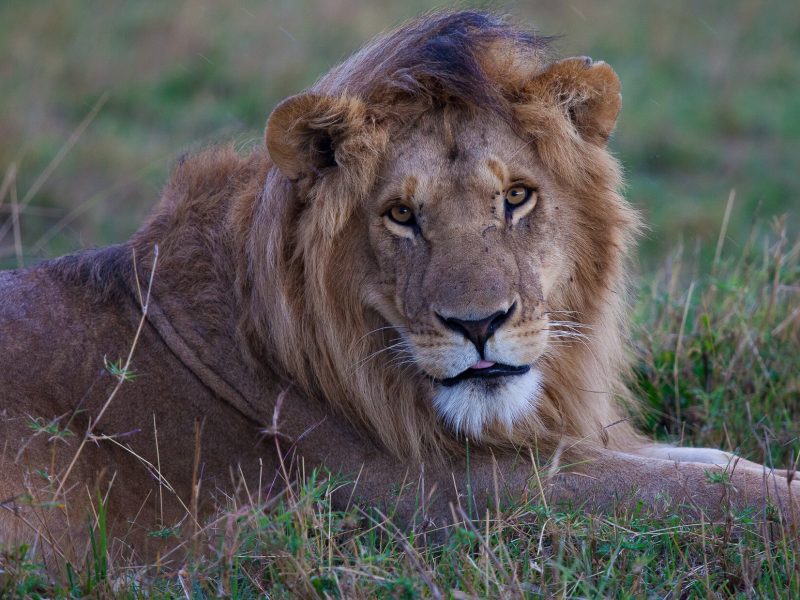
Lion and leopard
Hippopotamus
Over 400 recorded bird species
Where to Go
National Parks & Major Attractions
Okavango Delta
A vast inland delta of flooded grassland and palm-studded islands, accessible only by light aircraft, boat, or mokoro.
Moremi Game Reserve
One of Africa's most beautiful reserves, spanning both dry woodland and permanent Delta waterways.
Chobe National Park
Home to one of the continent's densest elephant populations, especially along the Chobe riverfront.
Makgadikgadi Pans
One of the largest salt flats on Earth, transformed into grazing plains for zebra and wildebeest in the wet season.
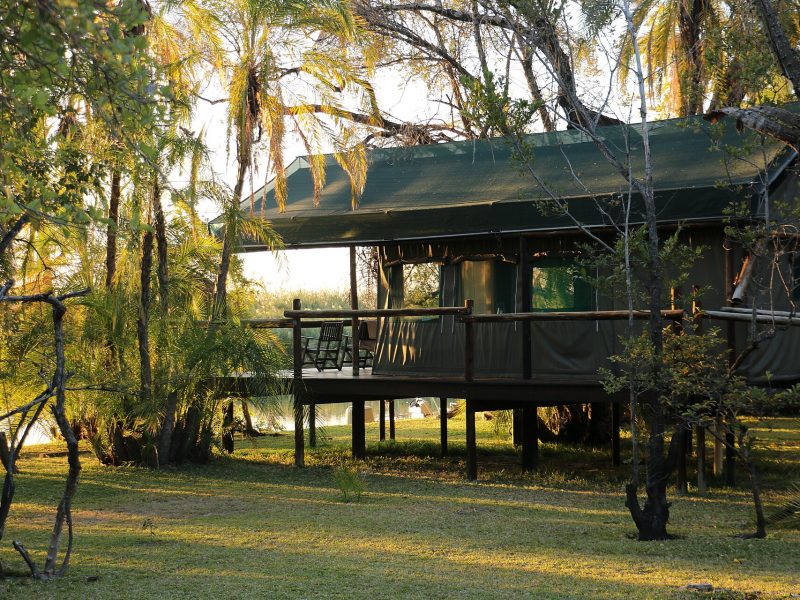
Where to Stay
Featured Camps in Botswana
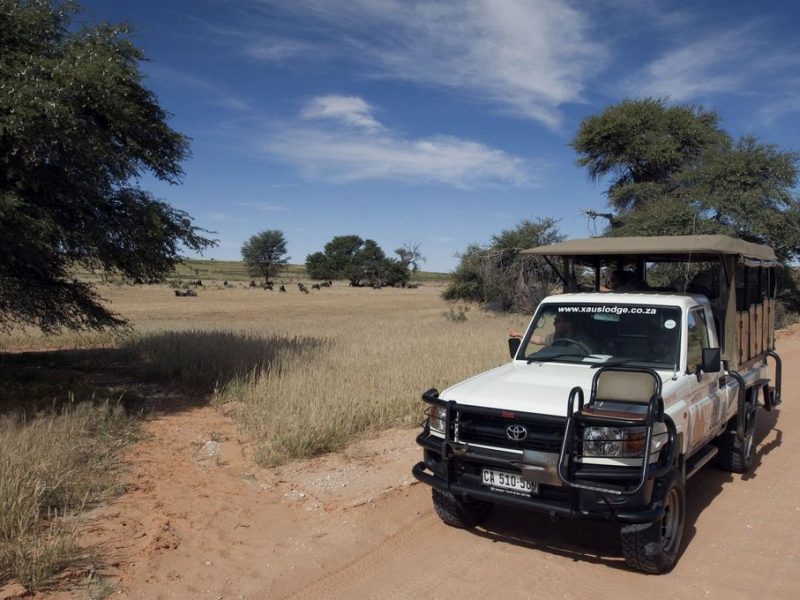
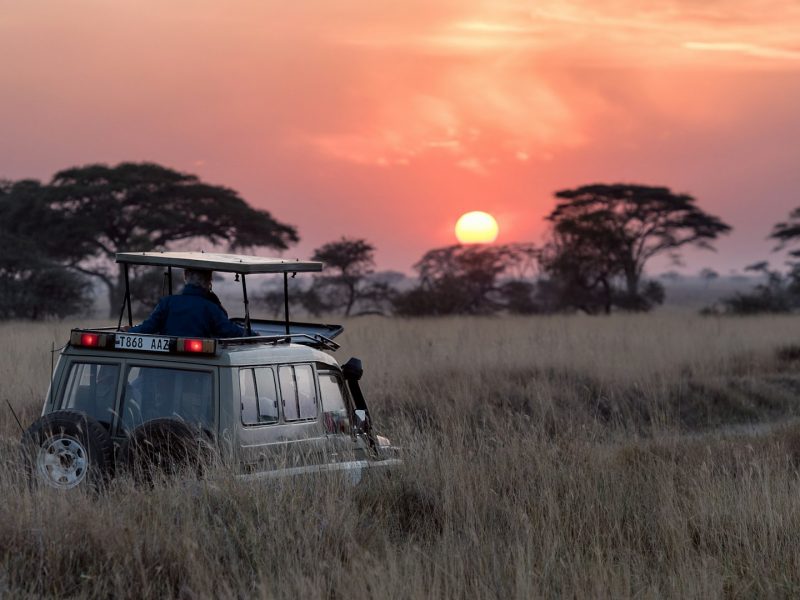
What to Do
Experiences in Botswana
Tailor-Made Itineraries
Suggested Journeys Through Botswana
10 Days
Okavango & Beyond
When to Go
Best Time to Visit
May to October (the dry season) offers the best game viewing as wildlife concentrates around permanent water. The Delta floods peak between June and August, making mokoro and boating excursions especially rewarding.
January–March
Green season, dramatic skies, newborn wildlife, migratory birds in full plumage
April–May
Floodwaters begin arriving in the Delta from Angolan highlands
June–August
Peak flood season — the best mokoro and water-based safaris
September–October
Dry season game viewing at its most concentrated
November–December
First rains, dramatic thunderstorms, fewer visitors
Get Active
Activities Available
Mokoro canoe safaris Game drives Walking safaris Helicopter and light-aircraft scenic flights Fishing (catch and release) Night drives
People & Traditions
Culture & Local Traditions
Botswana is home to the San (Bushmen), among the oldest continuous cultures on Earth, alongside Tswana-speaking communities whose kgotla (community council) tradition still shapes local governance today. Many camps partner with neighbouring villages, and guided cultural visits offer an unhurried introduction to a way of life closely tied to the land.
Responsible Travel
Conservation & Sustainability
Botswana pioneered the low-impact, high-value tourism model that much of Africa now follows, deliberately limiting visitor numbers to protect fragile ecosystems. Community-run conservancies bordering the Delta return tourism revenue directly to local villages, funding schools, clinics, and anti-poaching efforts.
Our ImpactTravel Tips
- A valid passport with at least six months' validity is required
- Most camps are fly-in only — pack light, soft-sided luggage
- Malaria prophylaxis is recommended for the Delta region
- USD and Botswana Pula are both widely accepted at camps
- English is an official language and widely spoken
Map
Good to Know
Frequently Asked Questions
Many nationalities receive visa-free entry for stays under 90 days — check requirements for your passport before travelling.
The Okavango Delta is a malaria area; antimalarial medication and mosquito precautions are recommended year-round.
Almost all Delta camps are reached by light aircraft from Maun, followed by a short boat or vehicle transfer.
Yes — its low-density tourism model means exceptional guiding and privacy, though it's also well suited to experienced safari travellers seeking something quieter.
Keep Exploring
Related Destinations
Ready When You Are
Plan Your Journey to Botswana
Tell us your travel dates and interests and a travel designer will build a bespoke itinerary within 24 hours.